On the privacy conscientious use of mobile phone data

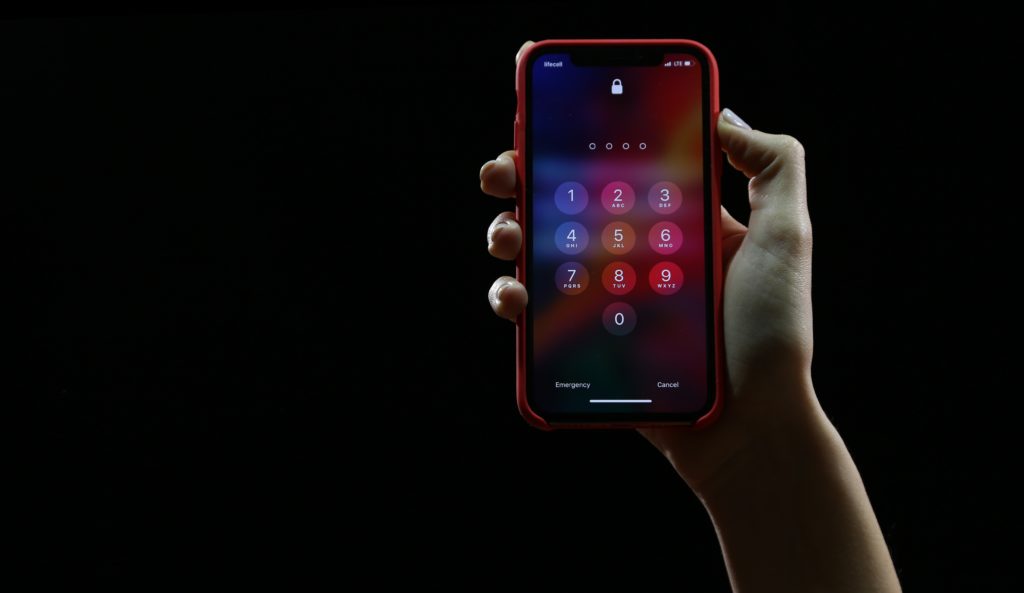
The breadcrumbs we leave behind when using our mobile phones—who somebody calls, for how long, and from where—contain unprecedented insights about us and our societies. Researchers have compared the recent availability of large-scale behavioral datasets, such as the ones generated by mobile phones, to the invention of the microscope, giving rise to the new field of computational social science.

Topics

Just Digital Transformations

Author(s)

Author(s): 
Yves-Alexandre de Montjoye, Sébastien Gambs, Vincent Blondel, Geoffrey Canright, Nicolas de Cordes, Sébastien Deletaille, Kenth Engø-Monsen, Manuel Garcia-Herranz, Jake Kendall, Cameron Kerry, Gautier Kring, Emmanuel Letouzé, Miguel Luengo-Oroz, Nuria Oliver, Luc Rocher, Alex Rutherford, Zbigniew Smoreda, Jessica Steele, Erik Wetter, Alex "Sandy" Pentland, Linus Bengtsson

Partner Organization(s)

Data-Pop Alliance

Share

Recommendations

Screenshot 2026-04-14 at 9.41
Mali Gender Profile 2024
Social Media Post 2
Towards Caring Cities: a Geospatial Analysis in Viet Nam
Cover English
Technology-Facilitated Gender-Based Violence Against Women in Politics in Brazil
Cover Portugues
Violência de Gênero Facilitada pela Tecnologia contra Mulheres na Política no Brasil
1
Study on the Future Drivers of Sustainable and Inclusive Development in Liberia
Nepal
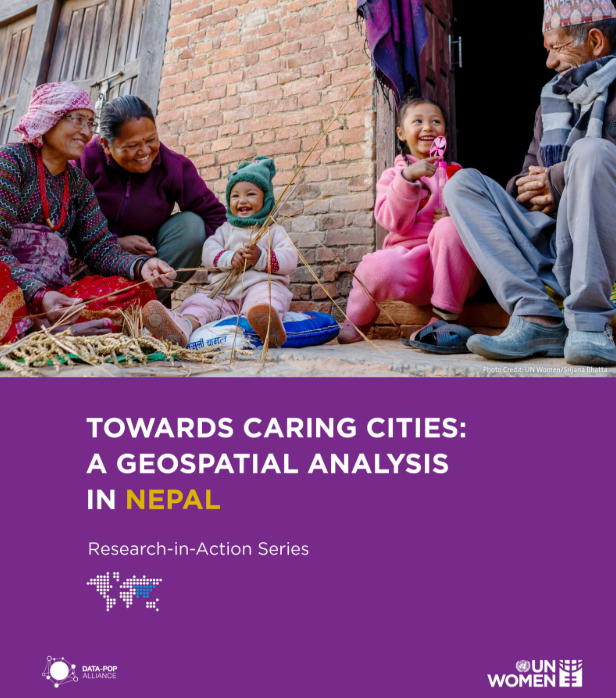
Towards Caring Cities: A Geospatial Analysis in Nepal
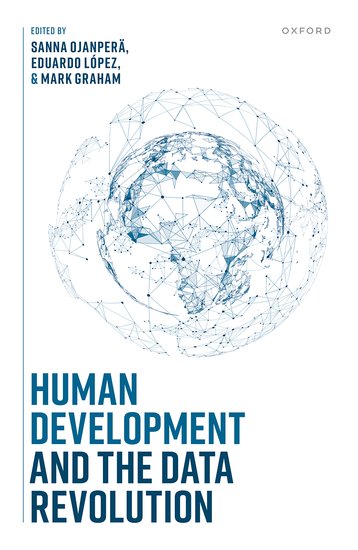
HumanDev
Making Human Measurement Matter for Human Development: Towards a Theory of Change for the Data Revolution
FosCover
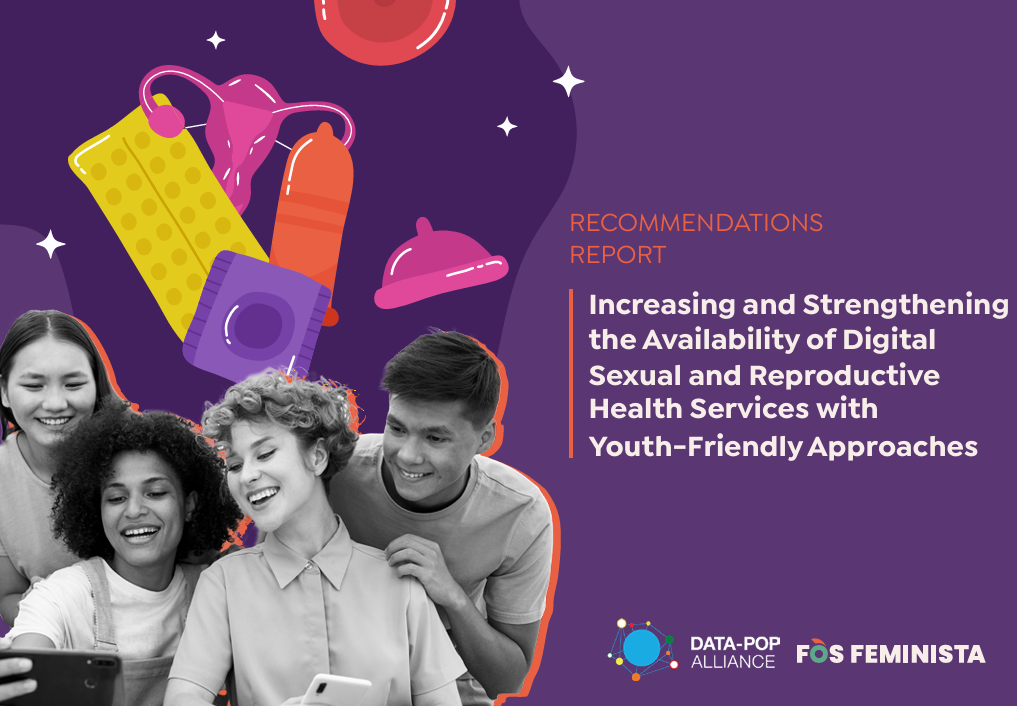
Recommendations Report: Increasing and Strengthening the Availability of Digital Sexual and Reproductive Health Services with Youth-Friendly Approaches
[P124] cover Bangladesh_Report
Towards Caring Cities: A Geospatial Analysis in Dhaka City
2 (9)
Mapping and Dynamics of Violence involving Youth and Children in Urban Areas in Port-au-Prince