
Mobile phone data and COVID-19: Missing an opportunity?

This paper describes how mobile phone data can guide government and public health authorities in determining the best course of action to control the COVID-19 pandemic and in assessing the effectiveness of control measures such as physical distancing. It identifies key gaps and reasons why this kind of data is only scarcely used, although their value in similar epidemics has proven in a number of use cases. It presents ways to overcome these gaps and key recommendations for urgent action, most notably the establishment of mixed expert groups on national and regional level, and the inclusion and support of governments and public authorities early on.

It is authored by a group of experienced data scientists, epidemiologists, demographers and representatives of mobile network operators who jointly put their work at the service of the global effort to combat the COVID-19 pandemic.

Topics

Just Digital Transformations

Author(s)

Author(s): 
Nuria Oliver, Emmanuel Letouzé, Harald Sterly, Sébastien Delataille, Marco De Nadai, Bruno Lepri, Renaud Lambiotte, Richard Benjamins, Ciro Cattuto, Vittoria Colizza, Nicolas de Cordes, Samuel P. Fraiberger, Till Koebe, Sune Lehmann, Juan Murillo, Alex "Sandy" Pentland, Phuong Pham, Frédéric Pivetta, Albert Ali Salah, Jari Saramäki, Samuel V. Scarpino, Michele Tizzoni, Stefaan Verhulst, Patrick Vinck

Partner Organization(s)

Aalto University, Banco Bilbao Vizcaya Argentaria, Dalberg Data Insights, ELLIS, Fondazione Bruno Kessler, Freie University, Harvard University, INSERM, ISI Foundation, MIT, Northeastern University, OdiseIA, OPAL Project, Orange Group, Technical University of Denmark, Telefonica, The GovLab, University of Oxford, University of Turin, University of Vienna, Utrecht University, World Bank Group (Funder)

Share

Recommendations

cover-Mobile data for humanitarian action
Mobile Data for Humanitarian Action: Pathways to Sustained and Responsible Use
Screenshot 2026-04-14 at 9.41
Mali Gender Profile 2024
Social Media Post 2
Towards Caring Cities: a Geospatial Analysis in Viet Nam
Cover English
Technology-Facilitated Gender-Based Violence Against Women in Politics in Brazil
Cover Portugues
Violência de Gênero Facilitada pela Tecnologia contra Mulheres na Política no Brasil
1
Study on the Future Drivers of Sustainable and Inclusive Development in Liberia
Nepal
Towards Caring Cities: A Geospatial Analysis in Nepal
HumanDev
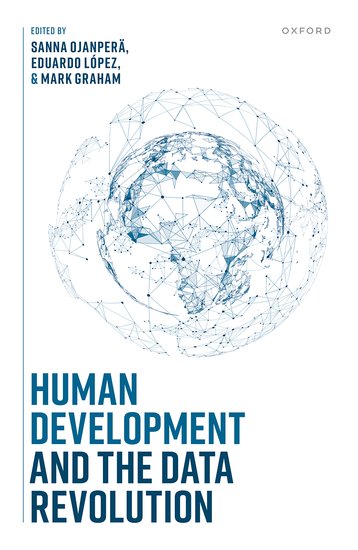
Making Human Measurement Matter for Human Development: Towards a Theory of Change for the Data Revolution
FosCover
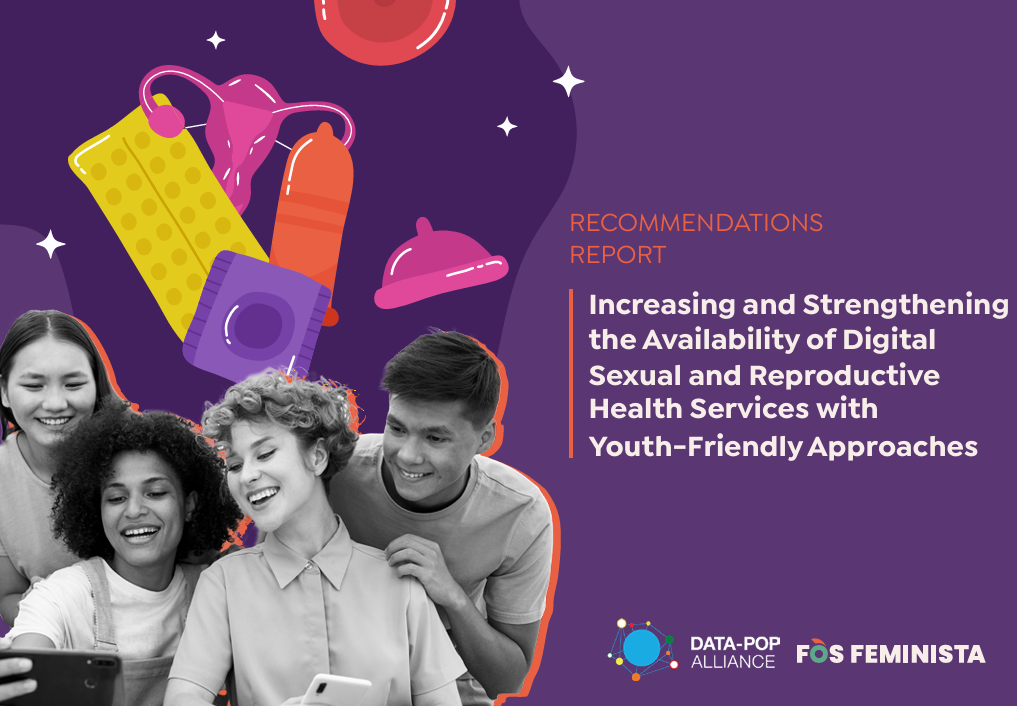
Recommendations Report: Increasing and Strengthening the Availability of Digital Sexual and Reproductive Health Services with Youth-Friendly Approaches
[P124] cover Bangladesh_Report
Towards Caring Cities: A Geospatial Analysis in Dhaka City