Companion Pieces: “Big Data for Climate Change and Disaster Resilience”

Data–Pop Alliance conducted research on Big Data, climate change and environmental resilience. With funding from the UK’s Department for International Development (DfID), we published a synthesis report evaluating the opportunities, challenges and required steps for leveraging the new ecosystem of Big Data and its potential applications and implications for climate change and disaster resilience. This report fed into the World Humanitarian Summit, 2016. The authors attempted to go “beyond the buzz” to lay out what we actually know about Big Data’s existing utility for disaster science and for building practical resilience.

Companion Pieces: “Big Data for Climate Change and Disaster Resilience”

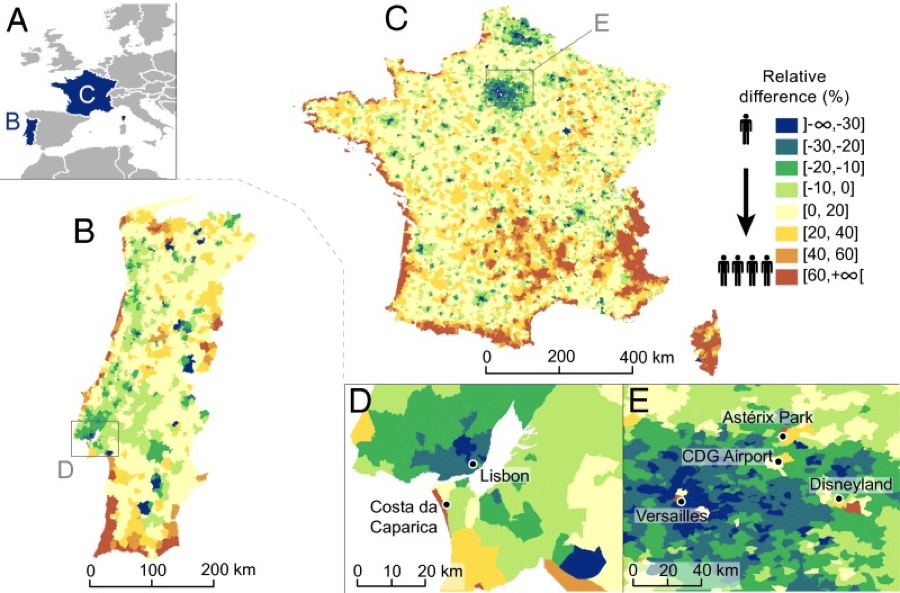
Unevenly Distributed Resilience

This is the fourth in a series of companion pieces that offer insights from the synthesis report. The authors of the series attempt to go “beyond the buzz” to lay out what we actually know about Big Data’s existing utility for disaster science and for building practical resilience.
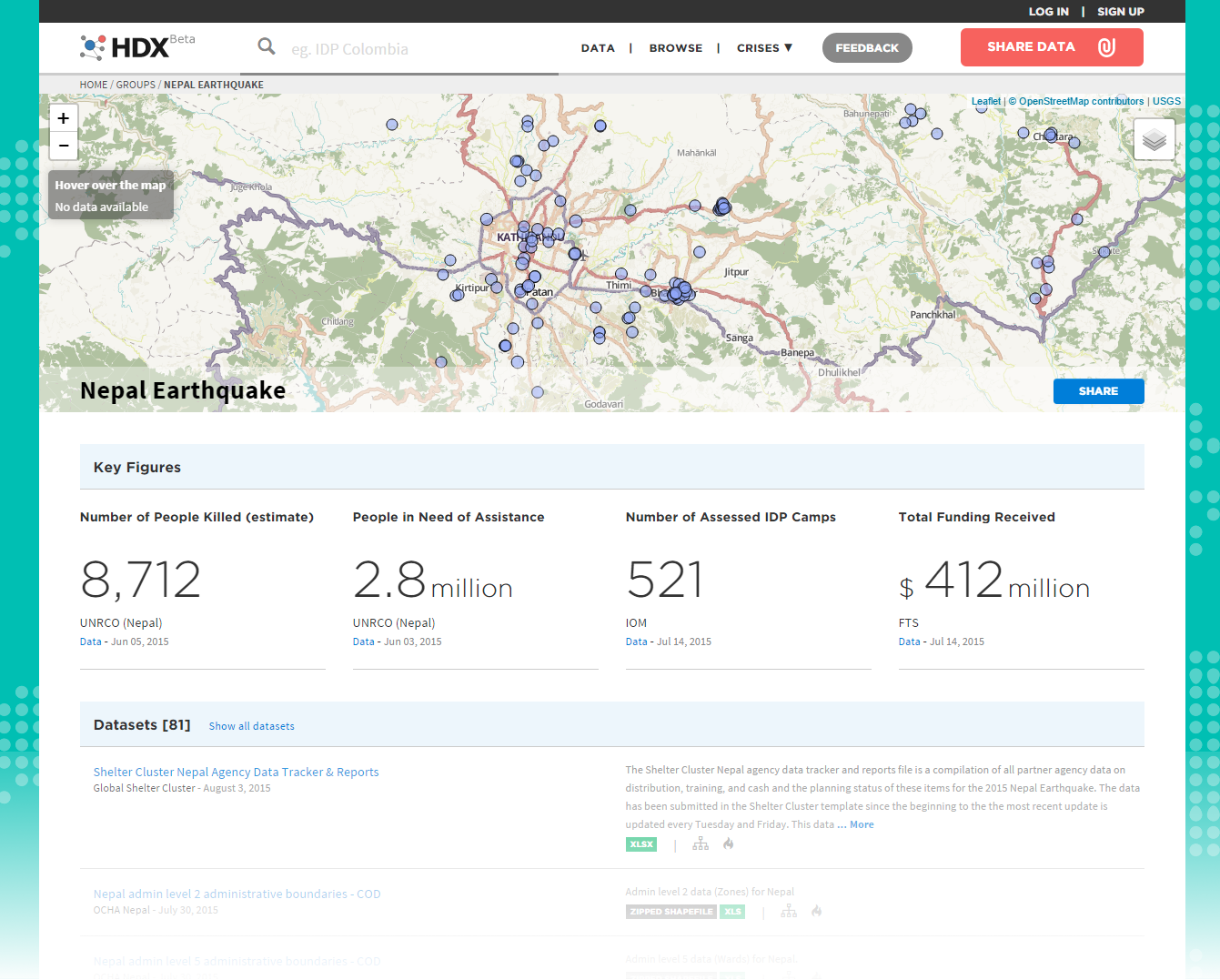
The Real Promise of Big Data: Seeing Like a State and Like a Citizen

This is the second in a series of companion pieces that offer insights from the synthesis report. The authors of the series attempt to go “beyond the buzz” to lay out what we actually know about Big Data’s existing utility for disaster science and for building practical resilience.
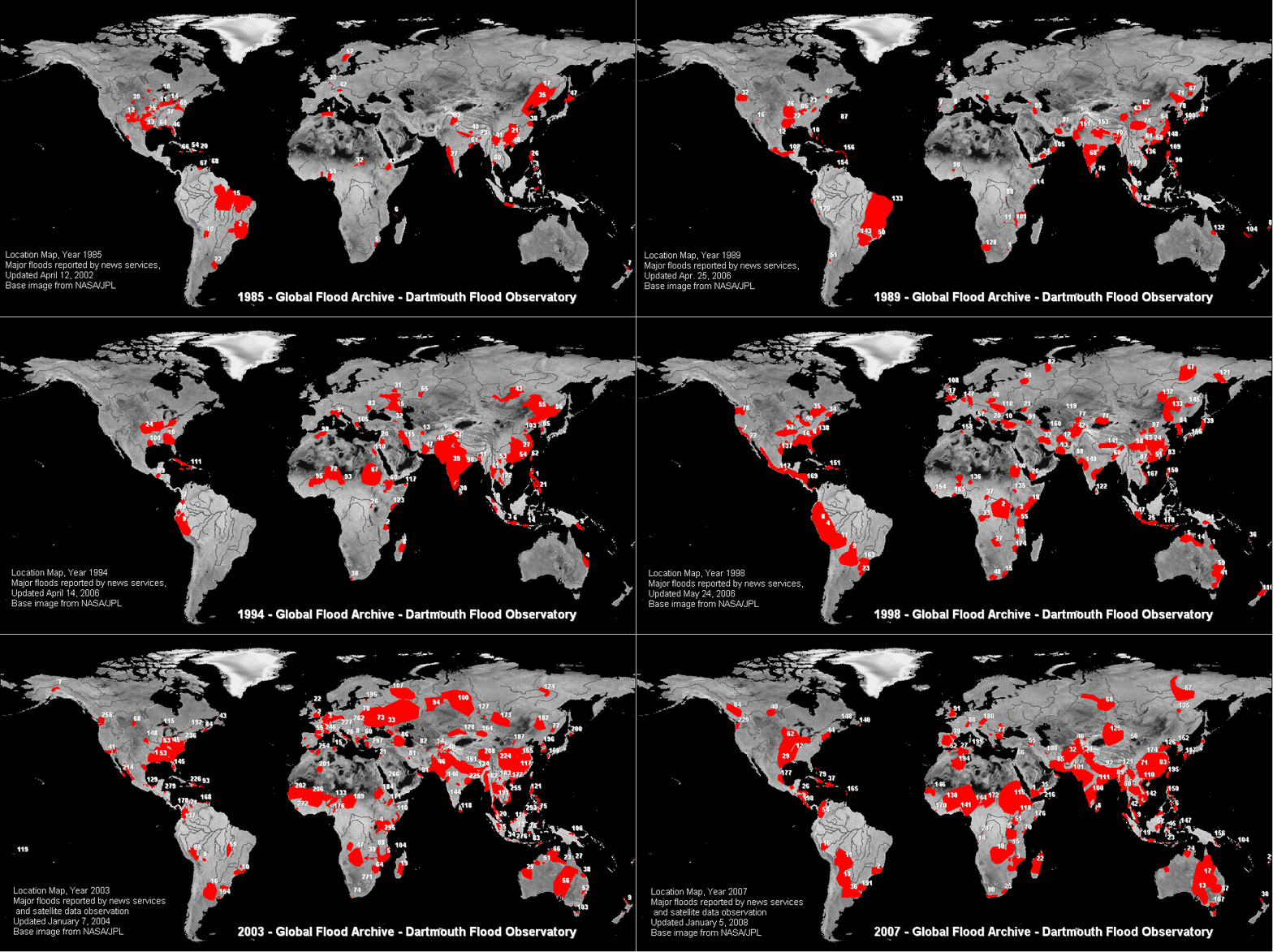
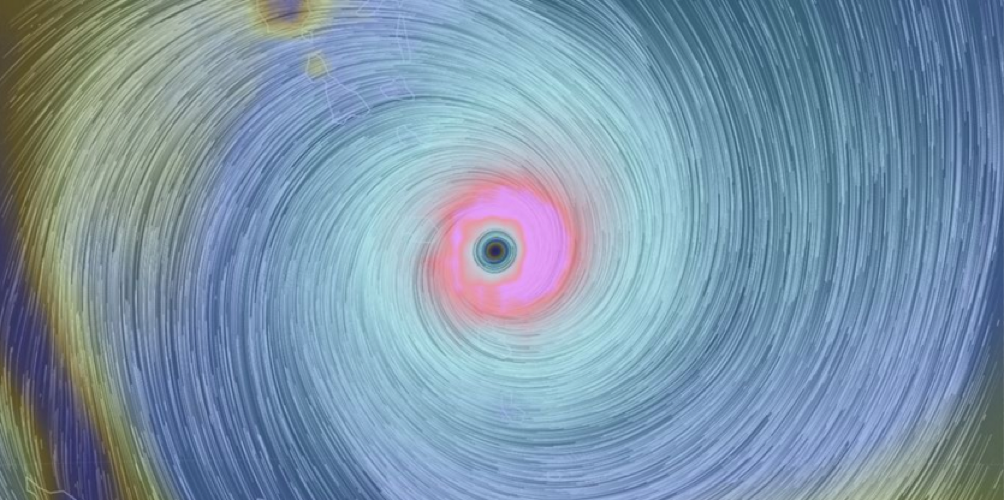
Using Big Data to Detect and Predict Natural Hazards Better and Faster: Lessons Learned with Hurricanes, Earthquakes, Floods

This is the first in a series of companion pieces that offer insights from a synthesis report evaluating the opportunities, challenges and required steps for leveraging the new ecosystem of Big Data and its potential applications and implications for climate change and disaster resilience, published by Data-Pop Alliance, with funding from the UK’s Department for International Development (DfID). The authors of the series attempt to go “beyond the buzz” to lay out what we actually know about Big Data’s existing utility for disaster science and for building practical resilience.