
UNFPA kNOwVAWdata Training on Harmful Practices
DPA, with funding from UNFPA and support from the University of Melbourne, developed a series of online training modules on ‘Harmful Practices’ against women.
DPA, with funding from UNFPA and support from the University of Melbourne, developed a series of online training modules on ‘Harmful Practices’ against women.

Technology-facilitated Gender-Based Violence (TF-GBV) against women in politics is an increasing, global concern for democracies. It is situated within the rising anti-gender and anti-feminist

During these 2 hour sessions, we leverage the best of our experience conducting the trilingual Book and Movie Club “Technology Through Feminist Lenses” to

To fill the information gap brought on by complex migratory processes, poor institutional communication, and lack of trust in authorities, Latin American migrant communities

Data-Pop Alliance (DPA), in collaboration with Open Data Watch (ODW), was tasked with creating a pioneering gender data framework for urban environments, commissioned by

DPA, in collaboration with ILDA, conducted a case study examining the evidence available on the Overton Platform regarding the influence of research on gender-based

Phase 1: DPA, in collaboration with Abogadas MX, led the design and development of the Central Database and Customer Relationship Management (CRM) software for
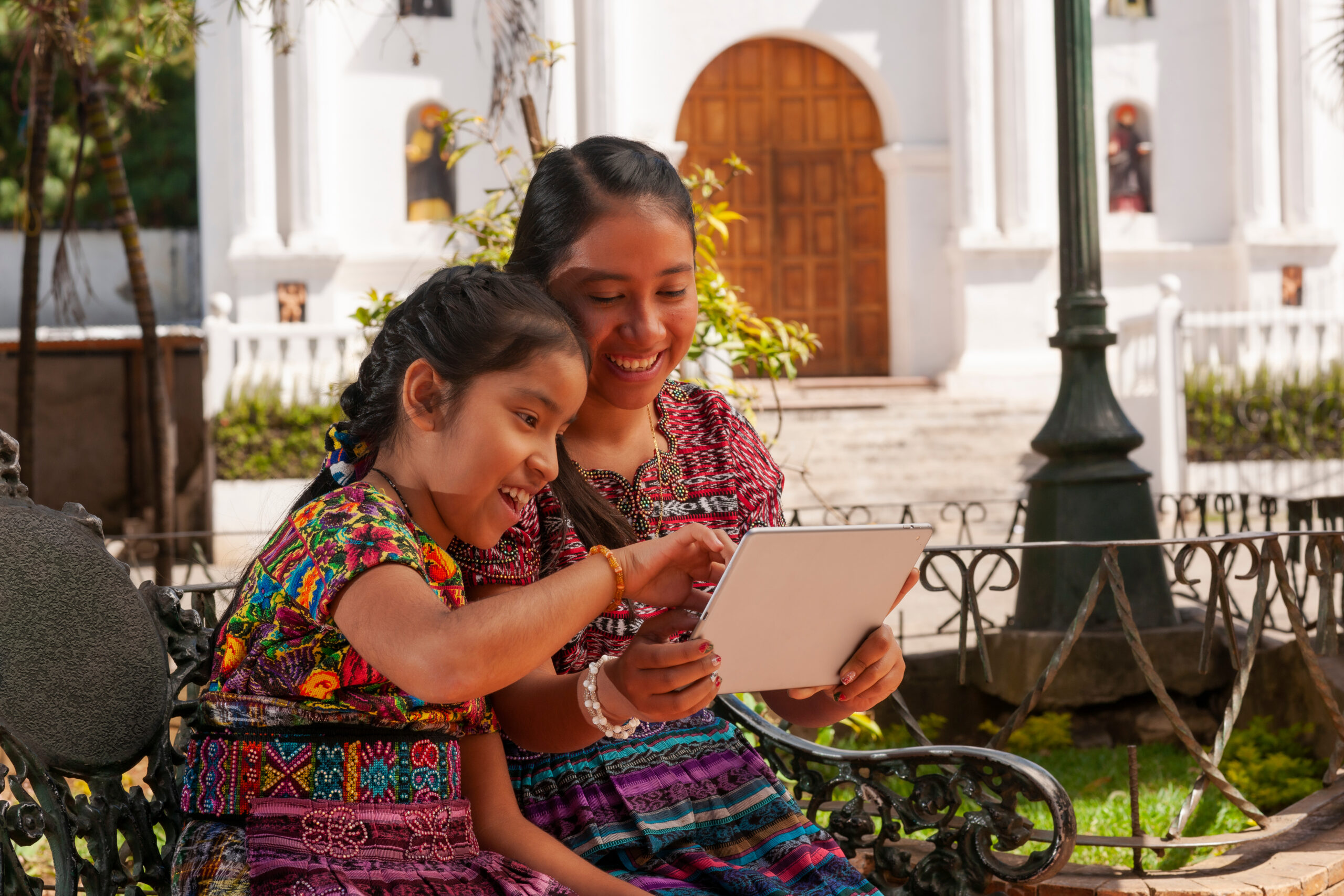
In partnership with Fòs Feminista, Data-Pop Alliance conducted a nine-month project aimed at strengthening understanding of how youth-friendly approaches are being applied in digital
The Patrick J. McGovern Foundation (PJMF) awarded DPA’s Data Feminism Program a twelve-month, $300,000 grant to support our work advancing intersectional, data-driven research, training and
The Book and Movie Club “(Re)Imagining Technologies: Paths to the Future” [(Re)Imaginando Tecnologias: Caminhos para o Futuro] by DPA, Instituto da Hora and Eureka explored

DPA developed a four week training on qualitative and quantitative analysis and tools for the members of the Mexican CSO EQUIS Justicia para las
This project developed with the support of the Spanish Agency for International Development Cooperation (AECID), strengthened the technical capacities of government officials in Latin

“Counting Femicide with Catherine D’Ignazio”, a multilingual Book Club supported by MIT Press, explored data activism and gender-based violence through the book “Counting Femicide: Data
EmpoderaData built upon the success of the “Quantitative Step” (Q-Step) program, which was developed as a strategic response to the shortage of quantitatively-skilled social
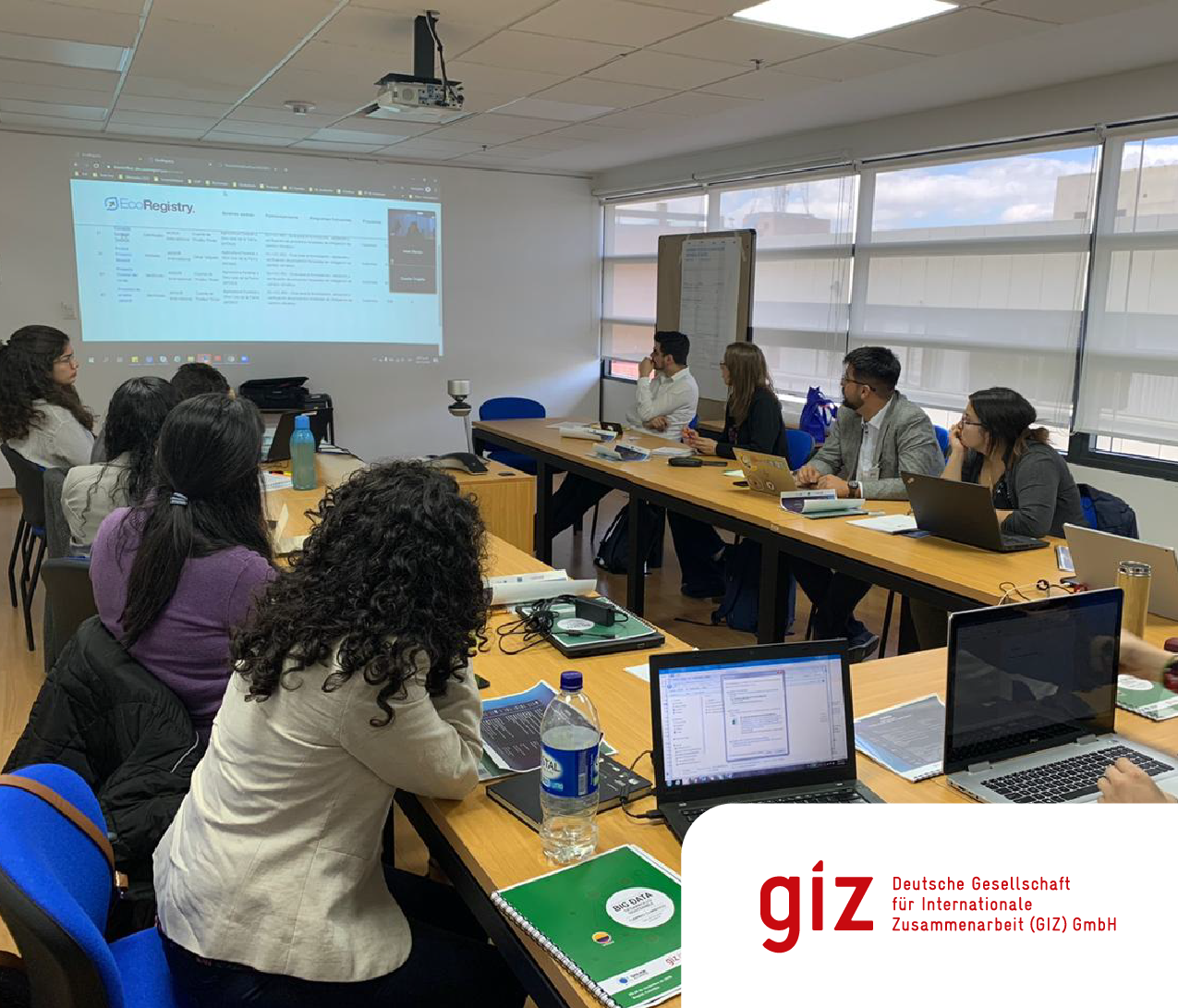
This series of workshops organized by Data-Pop Alliance, in coordination with GIZ and GIZ Colombia, addressed key terms, necessary tools, and challenges in the
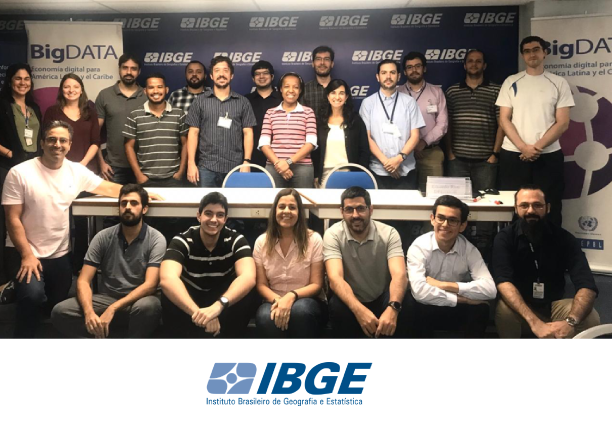
In November 2019, Data-Pop Alliance, in partnership with ECLAC and the Brazilian Institute of Geography and Statistics (IBGE), conducted its first technical workshop in

Increasingly, data and information are being promoted as powerful tools to understand and prevent crime and violence. However, there are key questions that remain
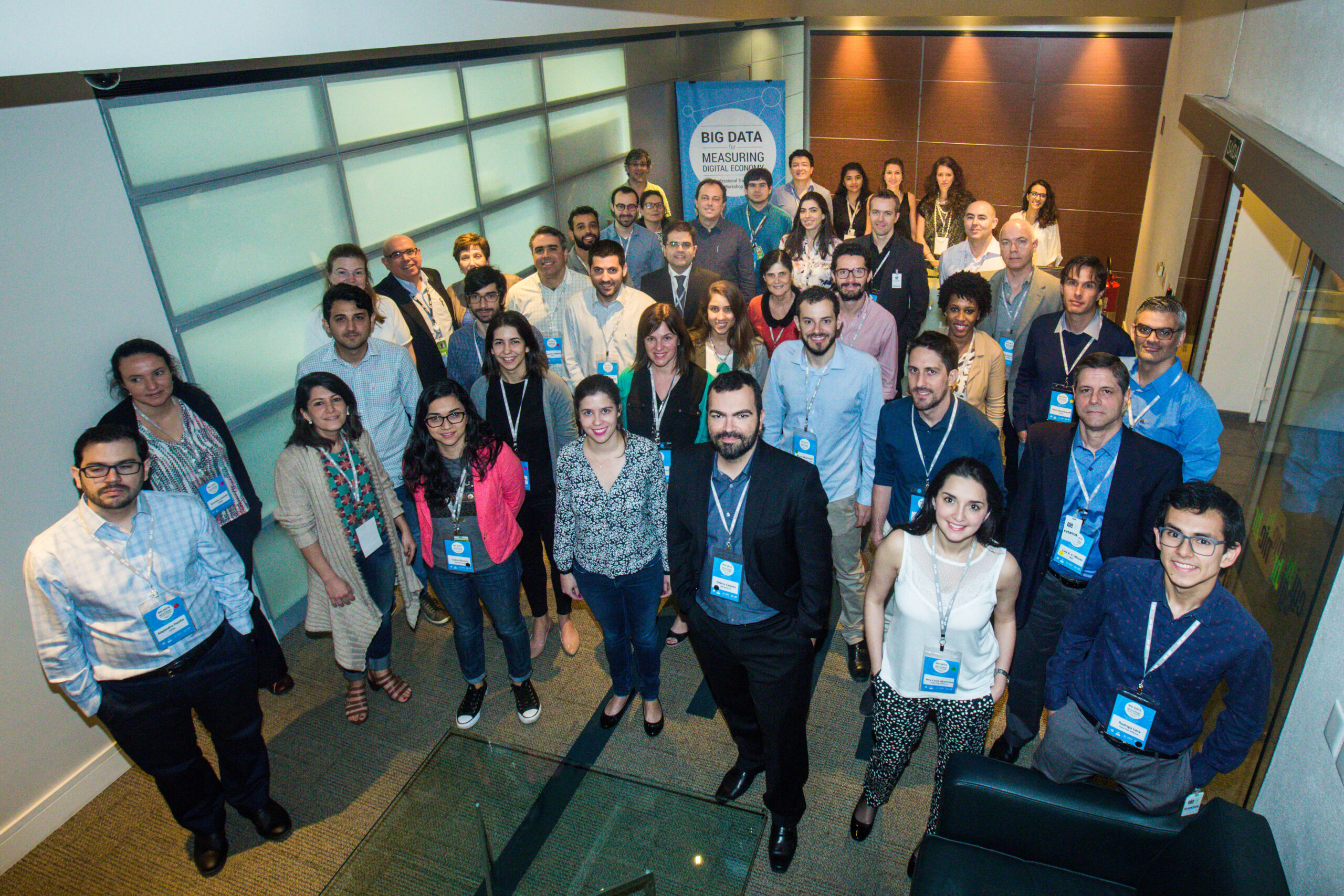
In partnership with the United Nations Economic Commission for Latin America and the Caribbean (ECLAC), DPA offered a series of workshops focused on “Big
Data-Pop Alliance and Oxfam México formed a partnership through “DataMex”, with the goal of advancing research and the application of Big Data for sustainable

Four research papers were developed in collaboration with and funded by the French Development Agency (AFD) between 2016 and 2019 as part of a
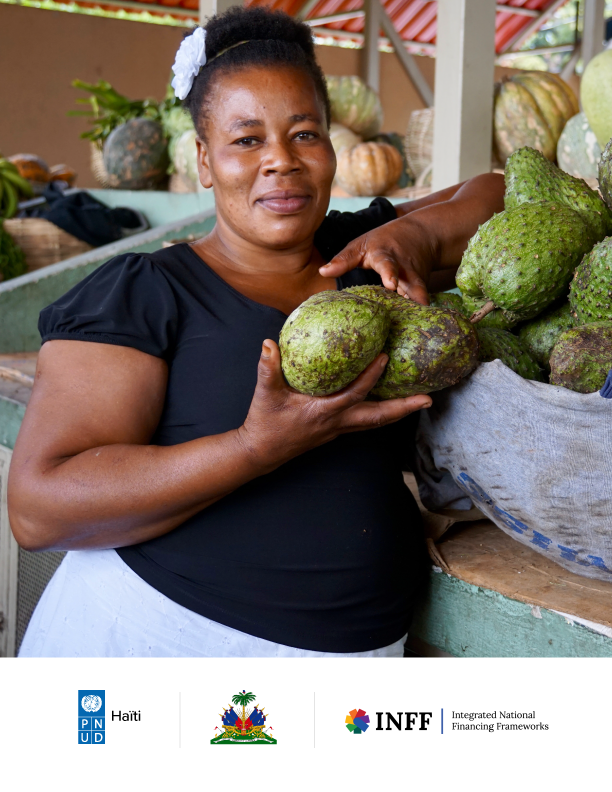
DPA, in support of Haiti’s Integrated National Financing Framework (INFF), and in close collaboration with the UNDP Haiti and the Ministry of Planning and
The MIT Media Lab and DPA provided technical assistance to iNNpulsa—Colombia’s entrepreneurship and innovation agency—and to the Department of National Planning (DNP), in the
The Book and Movie Club “Networks’ Capitalism: Addiction, Disinformation and Violence”, by DPA and Eureka, focused on addiction, disinformation, and violence stemming from social

In partnership with the GIZ Data Lab, this project sought to create a Toolkit to guide GIZ in the use of nontraditional data sources

The current debate on the collection and use of race-related data is shaped by country-specific cultural practices and historical backgrounds. Nevertheless, there is a
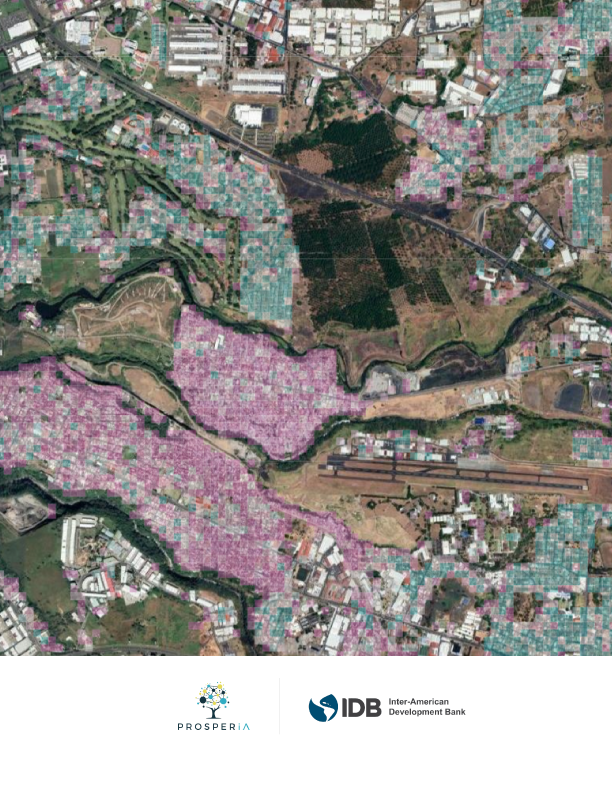
In partnership with Prosperia and with support from the Inter-American Development Bank (IDB), this project aimed to create both preventive and responsive social protection
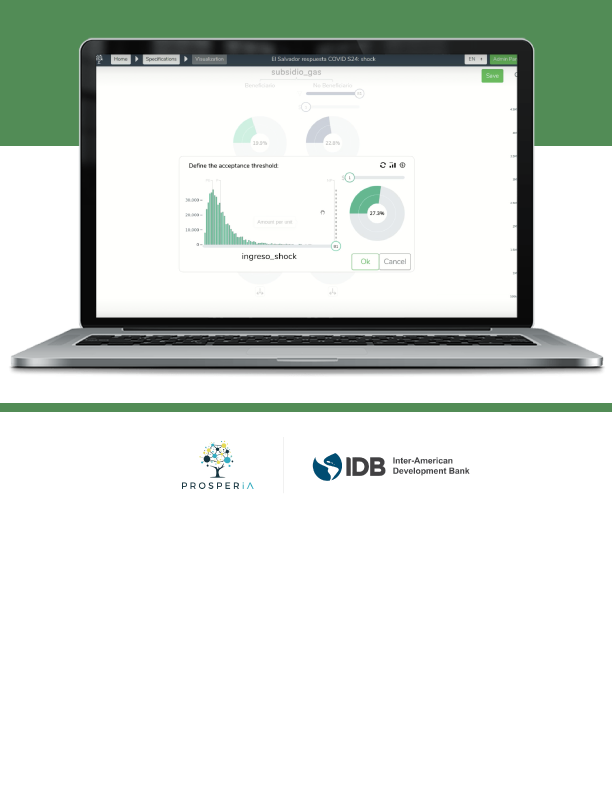
Criteria, a project led by Prosperia with funding from the Inter-American Development Bank (IDB) and support from Data-Pop Alliance, is an interactive decision support
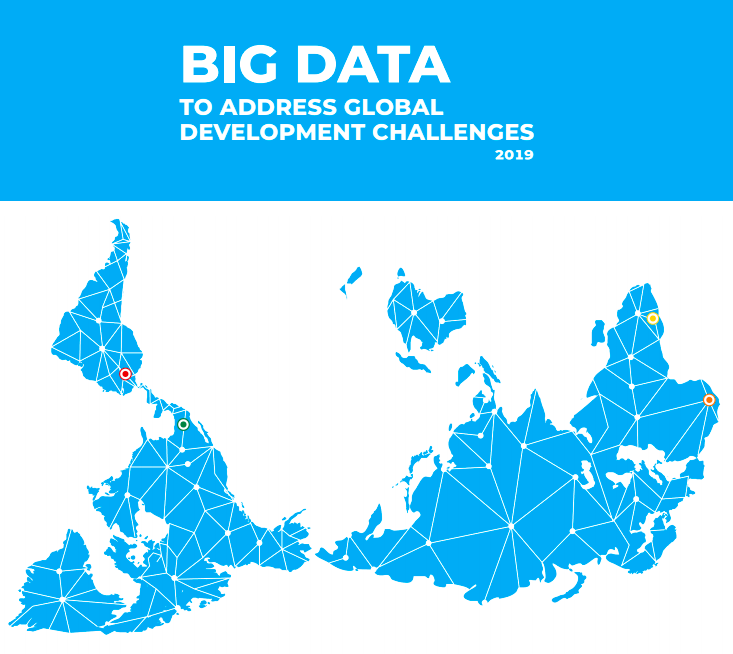
Four research papers were developed in collaboration with and funded by the Agence Française de Développement (AFD) between 2016 and 2019 under a joint

This project aimed to support the Inter-American Development Bank (IDB) in preparing for the IDB Andean Summit event held on November 29, 2018, in

A study published by the Open Society Foundations has reported numerous “atrocity crimes” perpetrated in Mexico against the civilian population since 2006. Against this

“Parallel Worlds” was a project developed by Data-Pop Alliance and Oxfam México to analyze inequality in Mexico City using mobility data provided by Cuebiq’s
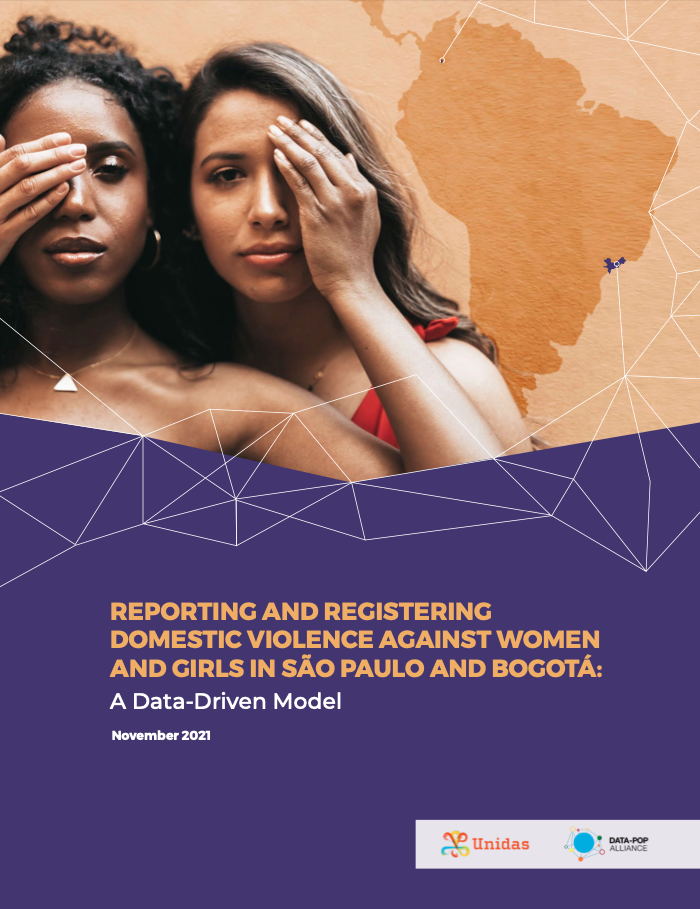
This project, developed in partnership with UNIDAS and GIZ Data Lab, leveraged traditional and non-traditional data sources to assess the reporting capability of women

Female and male commuters utilize public transportation differently, yet not enough is known about women’s commuting experiences and challenges. In countries such as Mexico
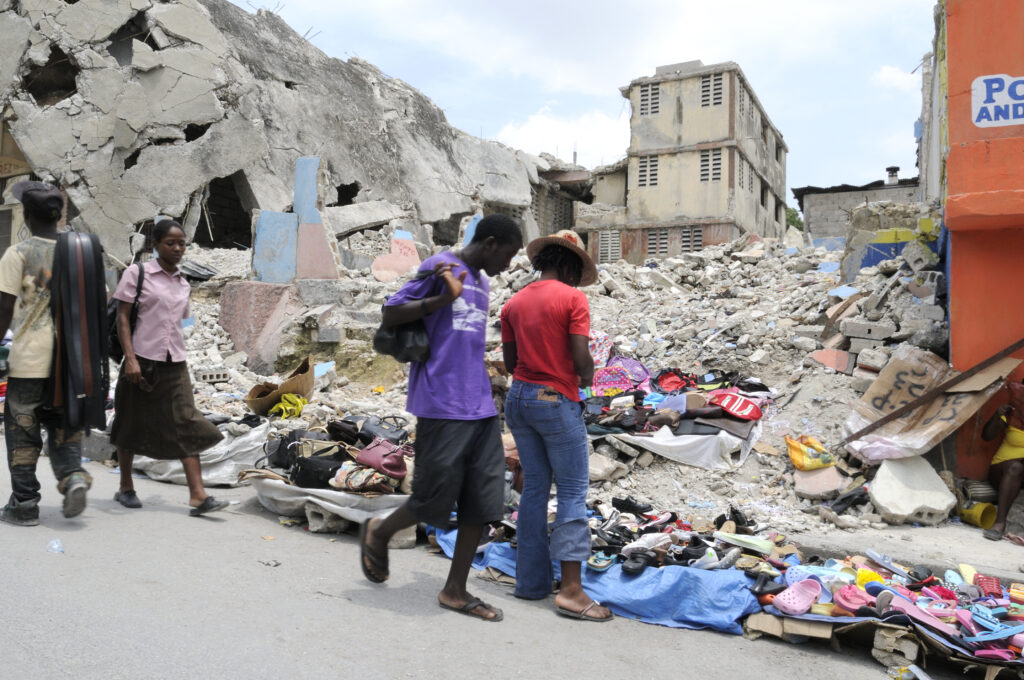
DPA, in collaboration with UNICEF Haiti, collaborated on a study to examine the effects of violence on children and youth in Port-au-Prince’s urban areas.
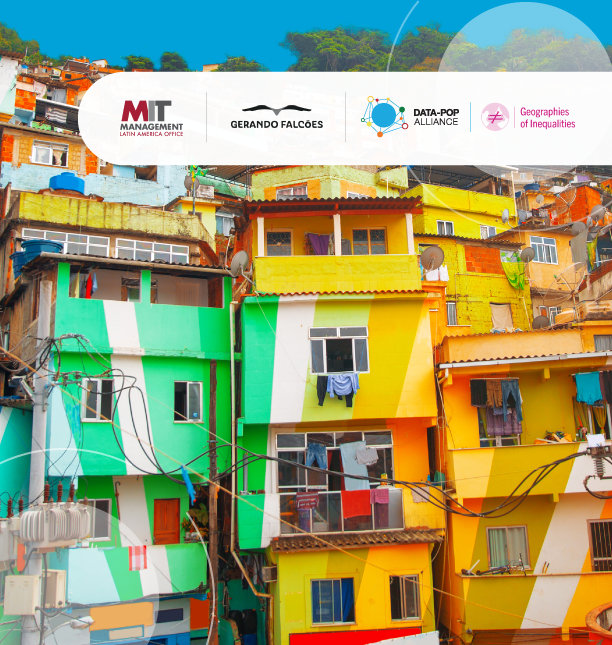
This project leveraged novel ‘non-traditional’ data for mapping and monitoring multidimensional poverty in informal urban settings, while taking into account and reflecting context-specific nuances.